Silk or Satin: What’s the Difference?
Have you ever run your fingers over a smooth fabric and wondered whether it was silk or satin? The confusion is understandable — both feel luxurious to the touch. But the difference between them is fundamental: silk is a natural fibre, while satin is a weave. That distinction changes everything about how they perform, how they feel against your skin, and how long they last.
In this guide, we’ll explore the key differences between silk and satin, so you can make an informed choice — whether you’re looking for a silk pillowcase to protect your hair or a robe to wrap yourself in quiet luxury.
What Is Silk?
Silk is a natural protein fibre produced by silkworms. Its long, smooth filaments create a fabric that is exceptionally soft, breathable, and temperature-regulating. Mulberry silk — the highest quality — is prized for its uniform fibres and gentle lustre. Because silk is natural, it has unique properties: it absorbs moisture without feeling damp, it resists dust mites and mildew, and it glides over hair and skin, reducing friction that can cause frizz and sleep lines.
What Is Satin?
Satin refers to a weave structure — typically a four-over-one pattern — that creates a glossy surface and a matte back. Satin can be made from many fibres: polyester, nylon, rayon, or even silk. When people say “satin,” they often mean a synthetic satin, which is cheaper but lacks the breathability and natural benefits of silk. Polyester satin can trap heat and moisture, making it less comfortable for sleeping, especially for those with sensitive skin or night sweats.
Key Differences at a Glance
Fibre: Silk is natural; satin is a weave (often synthetic).
Breathability: Silk is highly breathable; satin can be less so.
Feel: Silk is smooth and cool; satin can be slippery and warm.
Durability: Silk is strong but delicate; satin (polyester) is durable but may pill.
Care: Silk requires gentle washing; satin can often be machine-washed.
Why Choose Silk Over Satin?
If you’re considering a silk robe or pillowcase, the choice often comes down to how the fabric interacts with your body. Silk’s natural proteins are hypoallergenic and gentle on skin, making it ideal for those with allergies or eczema. Its smooth surface reduces friction, which means fewer tangles and less breakage for hair. On the other hand, synthetic satin can create static and cling, and its lack of breathability may disrupt sleep by causing overheating.
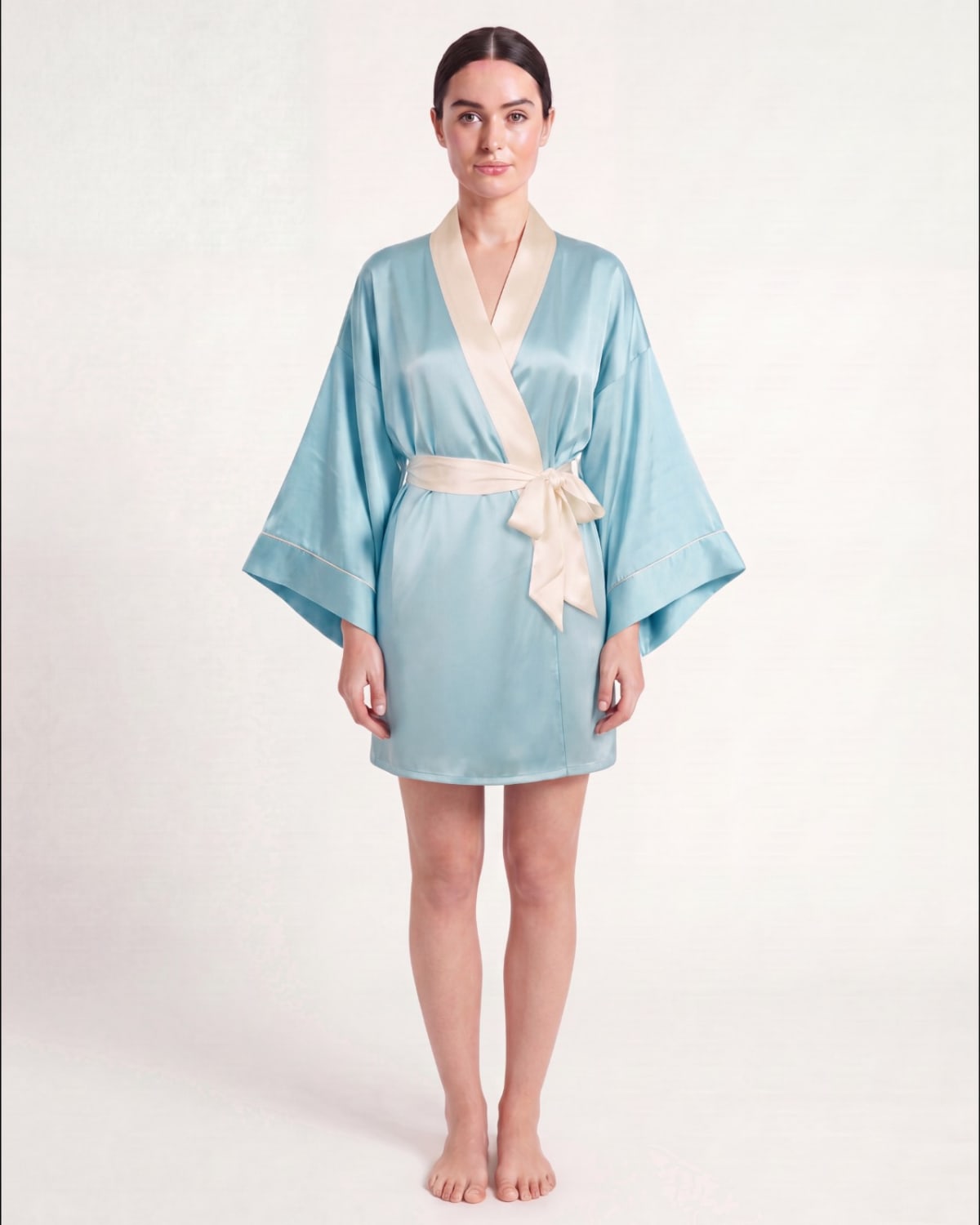
For example, wrapping yourself in a silk robe in soft sky blue after a bath feels like a gentle embrace — cool, light, and calming. The same experience with a polyester satin robe might feel sticky and warm. Similarly, sleeping on a Silkilinen Blush silk pillowcase can help preserve your hairstyle and prevent sleep creases, while a satin version may shift and slide too much.
How to Tell Real Silk from Satin
One simple test is the burn test (with caution): natural silk smells like burnt hair and turns to ash, while synthetic satin melts and smells like plastic. But a more practical check is the label: look for “100% mulberry silk” and a momme weight between 19 and 22 for quality bedding. Satin will often list “polyester” or “nylon” as the fibre.
When Satin Might Be the Right Choice
Satin has its place — it’s often more affordable, comes in vibrant colours, and can be easier to care for. For occasional use, like a party dress or decorative cushions, satin can be a practical option. But for everyday comfort and long-term investment, silk is the superior fabric.
If you’re still unsure, consider starting with a small piece like a Sage green silk pillowcase and feel the difference for yourself. Once you’ve experienced the gentle glide of real silk, you may never go back.
Our Verdict
When it comes to silk or satin, the choice is personal — but understanding the materials helps you choose what truly serves you. Silk offers natural beauty, breathability, and a timeless feel that satin can only imitate. For those seeking quiet luxury and genuine comfort, silk is the path worth taking.
If you’d like to learn more about caring for your silk pieces, our guide on how to wash your silk offers gentle, effective tips.