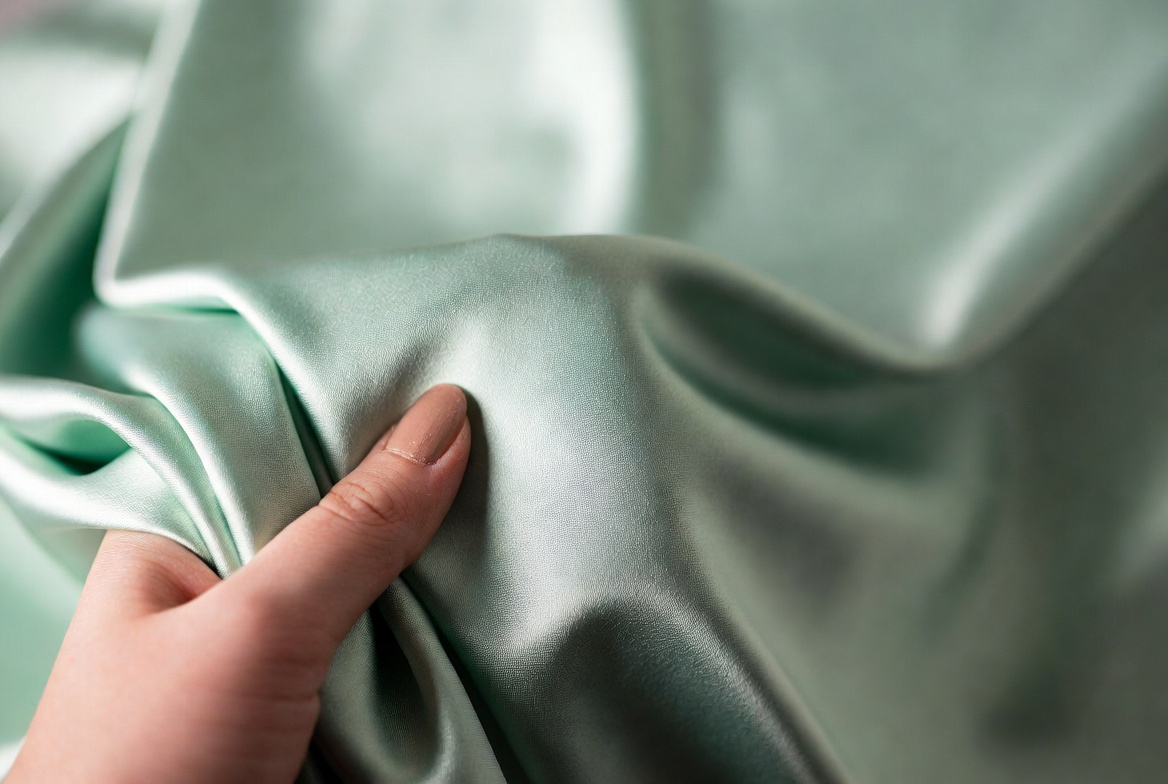
Silk or Satin? The Complete Guide to Understanding Every Silk Fabric
Everything you need to know about silk, satin, and how to choose the right fabric for your life
The Question Everyone Asks: What's the Difference Between Silk and Satin?
The short answer: satin is not a fabric — it's a weave structure. And while satin can be made from silk, it can also be made from polyester, nylon, or other synthetic materials. The term "satin" describes how a fabric is woven, not what it's made from.
This distinction matters enormously for quality, durability, and price.
True luxury satin is made from 100% silk. But most "satin" you encounter is synthetic — which is why understanding the difference can save you money and disappointment.
What Exactly is Silk?
Silk is one of the oldest natural fibres in the world, with some records of silk production (sericulture) dating back to 5000 BCE. It's derived from the cocoon of the silkworm and has been called "The Queen of Fabrics" for five thousand years — not because it's expensive, but because it's incomparable.
The Three Things That Make Silk Special
Luxury and Feel. Silk has an unmatched hand-feel — smooth, soft, and naturally luxurious. Once you experience genuine silk, synthetics feel like approximations. There's simply no substitute for the way silk feels against your skin.
Hygroscopic Properties. Silk actively regulates temperature by adapting to your body. In summer, it keeps you cool. In winter, it keeps you warm. This makes silk the ideal fabric for sleeping, wearing against sensitive skin, and year-round comfort. No synthetic can replicate this biological responsiveness.
Self-Cleaning. Because of silk's natural protein structure, it has self-cleaning properties. Simply airing your silk garments between wears keeps them fresh without frequent washing. This extends the lifespan of your pieces, reduces environmental impact, and means you wash far less often than with other fabrics.
Lustre. Silk has a uniquely subtle sheen caused by how the fibre reflects light. This isn't a coating or finish — it's intrinsic to the fibre itself. Synthetic satins often appear overly shiny or plastic by comparison because they lack this natural quality.
The Language of Silk: Understanding Quality
To truly understand silk — and to make smart choices — you need to learn four key concepts that define how different silks behave and feel.
MOMME: The Measure of Quality
Momme (pronounced "moh-mee") is the traditional unit of measurement for silk weight and density. Understanding momme is understanding quality at a glance.
A higher momme count means:
Denser, heavier fabric that drapes with intention and purpose
Greater lustre and natural sheen (more light-reflecting capacity)
Superior durability — the fabric will last significantly longer
Better opacity — less see-through, more refined appearance
Significantly higher cost — because quality silk is expensive to produce
Luxury silk is typically 19 momme — a weight rarely used in fast fashion because of its cost. But this weight is what creates that unmistakable feeling of true luxury. When you touch a 19 momme silk garment, you understand instantly why it costs more. It's not marketing. It's mathematics and craft.
LUSTRE: The Natural Sheen
Lustre describes the uniquely subtle sheen of silk, caused by the light-reflecting properties of silk fibres. Importantly, lustre can be dialed up or down by altering the weight and texture of the silk weave.
High Lustre: Silk satin has a prominent glossy finish while maintaining elegance and sophistication
Medium Lustre: Some silks have a subtle glow without being shiny
Low Lustre: Silk marocain and crêpe de chine appear matte and refined
No Synthetic Equivalent: Synthetics that try to mimic lustre often look plastic or artificially shiny
This natural quality is what separates genuine silk from imitations. You can sense the difference before you even touch it.
DRAPE: How Fabric Falls
Drape describes the way a fabric hangs under its own weight, falling into elegant folds and movement. Different silk weaves have very different drape characteristics.
High Drape: Fabrics like silk satin flow fluidly over the body, creating sensual, graceful lines and movement
Medium Drape: Most silks fall into this range, offering a balance of movement and structure
Low Drape: Silk twill offers structure and definition, holding its shape with quiet confidence
Understanding drape helps you choose the right fabric for the right moment. A robe needs movement and flow. A structured shirt needs to hold its lines. Different occasions call for different fabrics.
What is Satin?
Satin is a weave technique that creates a specific surface appearance: glossy on one side, matte on the other. The satin weave allows long floats of yarn to lay on the surface, creating that characteristic smooth, reflective finish.
Because of how it's woven, satin drapes beautifully and has a luxurious appearance. But the quality depends entirely on the fibre used.
Silk Satin: 100% silk, woven in the satin weave pattern. This is genuine luxury — expensive, durable, and delivers all the benefits of silk (temperature regulation, durability, hand-feel) combined with the elegant sheen of satin.
Synthetic Satin: Polyester, nylon, or other synthetics woven in satin weave. These are cheaper but lack the benefits of silk. They don't regulate temperature, often feel slippery rather than luxurious, can pill or degrade faster, and simply don't compare in feel or longevity.
Silk vs Satin: The Key Differences
Aspect Silk Satin What It Is A natural fibre A weave pattern (can be any fibre) Feel Soft, smooth, naturally luxurious Smooth and glossy (depends on fibre) Temperature Regulation Yes (hygroscopic) Only if made from silk Durability Very durable when cared for Depends on fibre type Shine Subtle, natural lustre High glossy sheen Price More expensive Varies greatly Self-Cleaning Yes Only if silk Best For Sleepwear, scarves, everyday wear Evening wear, special occasions, styling
The Silk Weaves: Silk's Many Personalities
Here's where it gets interesting. The same natural silk fibre can become something completely different depending on how it's woven. Different weaving techniques create entirely different characteristics — different feels, different drapes, different purposes.
SILK SATIN: Smooth & Glossy
Characteristics: Glossy on one side, matte on the reverse. Smooth, slick surface with high lustre and beautiful sheen.
Hand-Feel: Impossibly luxurious. Slick under the fingers but never cheap-feeling. The 19 momme weight makes all the difference — it feels substantial and real, not paper-thin.
Drape: High. Flows beautifully over the body with sensual, graceful movement.
Lustre: High. The glossy finish creates that signature satin sheen.
Best For: Robes, slip dresses, pillowcases, scarves worn as neck ties. Anywhere you want unapologetic luxury and movement. Perfect for evenings or moments when you want to feel absolutely beautiful.
Care: Hand wash or delicate cycle. Lay flat to dry. The self-cleaning properties mean you wash far less frequently than other fabrics.
The Experience: Silk satin is what luxury should feel like. It's Jane Birkin's famous advice made tangible: "When you've got nothing left, all you can do is get into silk underwear and start reading Proust."
SILK TWILL: Structured & Confident
Characteristics: Crisp, structured, with a distinctive diagonal weave pattern clearly visible on the fabric. Matte finish. Strength without heaviness.
Weave Technique: The twill weave creates diagonal lines across the fabric. This structure gives the fabric inherent strength while maintaining silk's softness.
Hand-Feel: Refined and confident. Crisp but still soft. Feels tailored and intentional.
Drape: Low to medium. The fabric holds its shape, offering structure and definition rather than flowing movement.
Lustre: Low. Matte finish creates a sophisticated, understated appearance.
Best For: Shirts, button-ups, structured pieces where you want precision and elegance. Borrowed-from-the-boys aesthetics that feel utterly luxurious. Perfect for people who want their clothes to hold a line.
Care: Hand wash or delicate cycle. Can be ironed on low heat if needed. Self-cleaning properties apply — air between wears.
The Experience: Silk twill references Saville Row tailoring but feels infinitely more refined. It's structure made luxurious — the perfect fabric for someone who wants their clothes to look intentional.
SILK CRÊPE DE CHINE: Lightweight & Ethereal
Characteristics: Lightweight with a subtly pebbled, crinkled texture. Matte finish. Feels ethereal but surprisingly durable.
Weave Technique: The crêpe weave creates natural texture through the twist and structure of the yarns, resulting in that distinctive pebbled surface.
Hand-Feel: Soft and delicate, but surprisingly strong. Feels like touching air but wears like silk.
Drape: Medium to high. Flows beautifully without being too fluid or clingy.
Lustre: Low to medium. Subtle glow without shine.
Best For: Summer pieces, lightweight scarves, warm-weather clothing. Perfect for anyone who wants luxury that doesn't feel heavy. Ideal for climates where weight matters.
Care: Hand wash in cool water. Lay flat to dry. The lightweight nature means it dries quickly.
The Experience: This is languorous summer nights en terrasse. It's the fabric of easy elegance. Perfect for people who live in warm climates and refuse to sacrifice luxury.
SILK CHIFFON: Sheer & Romantic
Characteristics: Semi-sheer, featherlight, floaty. The most ethereal of silks. Matte finish. Almost weightless.
Weave Technique: An even more lightweight weave than crêpe de chine, creating maximum air and movement in the fabric structure.
Hand-Feel: Impossibly delicate. Feels like holding silk that's been spun into clouds.
Drape: Very high. Moves and floats with the slightest air movement. Creates drama with every gesture.
Lustre: Very low. Soft, matte finish.
Best For: Sheer overlays, layering pieces, moments where you want drama and movement. Summer evenings. Occasions that call for romance. Statement pieces.
Care: Hand wash very gently. Lay flat to dry. Handle with care — the delicacy requires thoughtfulness and respect.
The Experience: Chiffon is silk at its most romantic. It's not practical in the everyday sense, but it's essential for moments that matter. It's the fabric that makes you feel like the best version of yourself.
SILK VELVET: Sumptuous & Tactile
Characteristics: Dense, even pile creating an incredibly soft surface. Subtle sheen from the silk component. Luxurious and tactile beyond measure.
Composition: A unique silk/viscose blend using traditional velvet pile construction. The silk creates the sheen; the structure creates the plush pile.
Hand-Feel: Impossibly soft and plush. You want to touch it repeatedly. Feels expensive because it is — and it's worth it.
Drape: Medium. The weight and pile structure give it substance and presence.
Lustre: Medium. Subtle sheen from the silk component.
Best For: Evening wear, statement pieces, anything where you want unmistakable luxury. Robes for special moments. Pieces that demand attention and admiration.
Care: Gentle care required. Brush the pile occasionally to maintain texture and appearance. Professional cleaning recommended for delicate pieces.
The Experience: Silk velvet evokes Princess Diana in the 80s — timeless, elegant, slightly nostalgic. It's luxury that whispers rather than shouts. It's the fabric of confidence.
SILK MAROCAIN: Matte & Formal
Characteristics: Matte with a lightly pebbled texture similar to crêpe de chine, but with added weight and substance. Formal and refined without being stiff.
Weave Technique: The marocain weave creates texture while the heavier weight gives substance and gravitas.
Hand-Feel: Butter-soft on both sides. Feels equally good inside and out — no surprises or compromises.
Drape: Medium to high. Falls with elegant intention and presence.
Lustre: Very low. Matte, sophisticated finish.
Best For: Formal evening wear, special occasions, pieces where you want sophistication without shine. This is the fabric of refined, important moments.
Care: Hand wash or delicate cycle. The weight and quality mean it takes care of itself beautifully.
The Experience: Marocain is silk for important moments. It's formal without being uncomfortable, elegant without trying too hard. Wear this when you want to feel powerful and refined.
SILK DEVORÉ: Tactile & Artistic
Characteristics: A luxury fabric created through a burnout technique that dissolves sections of silk, revealing contrasting sheer areas. Rich texture with depth and delicacy combined.
Composition: Silk and viscose blend using the burnout technique.
Hand-Feel: Incredibly tactile, with areas of sheer contrast against opaque silk. Feels like art in your hands.
Drape: High. The sheer sections create beautiful movement and fluidity.
Lustre: Variable. Creates visual interest through the contrast of opaque and sheer sections.
Best For: Evening wear, statement pieces, anything where you want sensuality, drama, and artistry. Luxury that demands attention.
Care: Gentle hand washing required. Professional cleaning recommended for preservation.
The Experience: Devoré is silk elevated to fine art. It's a burnout technique that creates luxury through contrast and texture. You're wearing something rare.
The Blends: Silk Enhanced
Sometimes silk is better with a partner. These blends combine silk's luxury with other natural fibres to create something entirely new and specialized.
LINEN-SILK: Breathable & Textured
Composition: 57% silk, 43% linen
Characteristics: Textured weave combining the best of both fibres. Breathable, lightweight, and remarkably durable.
Hand-Feel: Soft but with subtle texture. Gets softer and more luxurious with every wash.
Drape: Medium. The linen adds structure; the silk adds luxury.
Best For: Summer wear, pieces where you want maximum breathability without sacrificing elegance. Casual luxury. Warm-weather living.
Care: Hand wash. The linen-silk blend only gets better with washing — softening and improving with time.
The Experience: This is a working fabric with a luxury heart. It breathes like linen but feels like silk. Perfect for people who live in hot climates and refuse to compromise.
COTTON-SILK: Crisp & Refined
Composition: A carefully balanced cotton-silk blend using organic cotton
Characteristics: The cool crispness of cotton elevated by silk. Lightweight, breathable, and refined.
Hand-Feel: Cool to the touch, crisp but not stiff, with silk's softness underlying and enhancing.
Drape: Medium. Holds shape while moving gracefully.
Best For: Warm-weather pieces, pieces where you want structure and breathability. Mediterranean living. Daytime luxury.
Care: Can be hand washed or machine washed on delicate. Gets softer with care.
The Experience: This is utility made luxe. It's practical silk for people who actually live in their clothes rather than dressing for photographs.
SILKCASH: Buttery & Luxurious
Composition: A unique silk-cashmere blend
Characteristics: Double-faced, meaning it feels heavenly on both inside and out. Luxurious jersey with subtle sheen from the silk component.
Hand-Feel: Buttery, soft, with reduced pilling compared to pure cashmere alone.
Drape: High. Designed for on-the-go glamour — comfort that doesn't sacrifice elegance.
Best For: Luxury loungewear, elevated basics, pieces designed for comfort without compromise. The tracksuit reimagined as luxury.
Care: Hand wash. Lay flat to dry. The silk prevents pilling; the cashmere provides warmth.
The Experience: This is cashmere's more sophisticated cousin. It's designed for people who refuse to choose between comfort and luxury.
PURECASH: Cosy & Timeless
Composition: 100% cashmere, using only the longest, finest yarns
Characteristics: Woven (not knitted) for incredible softness. Silky smooth inside and out.
Hand-Feel: Beyond soft. Butter-soft exterior, silky-smooth interior. The longest, finest yarns create unprecedented luxury.
Drape: High. Moves beautifully despite the weight.
Best For: Investment pieces. The kind of items you keep for decades and pass on to people you love. Luxury in its purest form.
Care: Hand wash in cool water. Lay flat to dry. Worth every moment of care.
The Experience: This is cashmere for people who understand that the best things in life are worth protecting and investing in.
SANDWASHED SILK: Soft & Indulgent
Characteristics: Butter-soft and deliciously weighty. Matte finish with an impossibly luxurious hand-feel that feels broken-in from day one.
Process: The sandwashing process creates softness that feels like silk you've owned and loved for years.
Hand-Feel: Impossibly indulgent. Soft doesn't begin to describe it.
Drape: Medium to high. The weight adds presence and substance.
Best For: Loungewear, robes, anything where you want maximum comfort and luxury combined. Everyday luxury.
Care: Hand wash. The softness only increases with care and wear.
The Experience: Sandwashed silk feels like silk that's been loved for years. It's instant nostalgia and comfort.
The Craft: Screen-Printing
All SILKILINEN scarves and printed pieces use traditional screen-printing methods. This centuries-old craft affords the vivid and intense saturation of colour we're celebrated for.
Why It Matters:
Traditional screen-printing allows us to achieve deep, saturated colours that digital printing cannot match. Each colour layer is applied individually by hand, building depth and intensity with every layer.
The slight misregistration visible in our prints — where colours don't align perfectly — is not a flaw. It's a quality indicator. This imperfection is what imbues every individual piece with distinct character, making each item of the SILKILINEN wardrobe a wearable work of art.
The Result: Every SILKILINEN piece is unique. No two prints are exactly identical. You're wearing art, not mass production.
Choosing Your Silk: Which Fabric is Right for You?
Understanding these fabrics helps you choose the right silk for the right moment in your life.
For Everyday Luxury: Silk satin or silk twill. Durable, beautiful, and designed for actually living your life.
For Summer: Silk crêpe de chine, cotton-silk blend, or linen-silk. Lightweight without sacrificing luxury or elegance.
For Special Moments: Silk marocain, silk velvet, or silk devoré. Formal, elegant, unforgettable.
For Comfort & Coziness: Sandwashed silk or silkcash. Soft beyond measure.
For Investment Pieces: Purecash or the finest silk satin (19 momme). These pieces will outlast decades and become family heirlooms.
Price: Why is Silk More Expensive?
Several factors make silk (and especially quality silk) more expensive than alternatives:
Production Cost. Sericulture is labor-intensive and requires expertise. Each silkworm cocoon yields only a limited amount of filament, and the entire process requires careful, skilled handling.
Rarity and Demand. Silk production is concentrated in a few countries, primarily China and Vietnam. High demand from luxury brands creates competition and naturally higher prices.
Quality and Durability. Genuine silk lasts significantly longer than synthetics, so the cost-per-wear over time is often lower than cheaper alternatives you'll replace frequently.
Natural Fibre Premium. Consumers increasingly value natural, sustainable fibres, which drives prices up for authentic silk while synthetic alternatives remain artificially cheap.
Craftsmanship. When silk is screen-printed by hand or woven with care, those human hours are reflected in the price.
Sustainability: Why Silk Matters
Silk: A natural, biodegradable fibre produced through traditional methods. When well-made and cared for, a silk garment can last decades, reducing the need for replacement and waste.
However, it's worth noting that silk production does involve the life cycle of silkworms. Some consumers opt for peace silk (where cocoons are harvested after the moth emerges naturally), though this remains a niche market.
Synthetic Satin: Typically made from petrochemicals. Not biodegradable. Production creates microplastic pollution. Wears out quickly, increasing waste and environmental burden.
The Reality: From a sustainability perspective, investing in high-quality silk that lasts years is more responsible than buying cheap synthetic satin repeatedly. One 19 momme silk piece that lasts a decade is better for the planet than five cheap synthetic pieces that last two years each.
Real Talk: How to Spot Real Silk vs Fake Satin
Signs of Genuine Silk:
Weight and drape that feels substantial and intentional
Subtle, natural lustre (not plastic shine)
Price that reflects production cost and quality
Fabric feels soft and luxurious, not slippery
Care label recommends hand washing or delicate cycle
Slight imperfections in screen-printing (actually a quality indicator)
Visible texture in the weave (not perfectly uniform)
Signs of Synthetic Satin:
Ultra-cheap price that seems too good to be true
Plasticky, overly glossy appearance that looks artificial
Slippery feeling that doesn't feel luxurious
Care label says machine wash without hesitation
Visible pilling or snags after brief wear
Explicitly labeled "100% polyester" or "polyester satin"
Too uniform and perfect (real silk has character)
Care Guide: Extending Your Silk's Life
Universal Silk Care:
Hand wash in cool water with gentle soap (or delicate machine cycle)
Lay flat to dry (never hang wet silk)
Air between wears (self-cleaning properties mean you wash far less often)
Avoid direct sunlight when drying
Store in a cool, dry place, away from extreme temperatures
For velvet or delicate pieces, consider professional cleaning
The Truth About Washing: You don't need to wash silk as often as you think. The self-cleaning properties of silk mean that airing is often enough. This isn't just practical — it's sustainable. Less washing means your silk lasts longer, looks better, and uses less water.
The Bottom Line
Silk is a natural fibre with inherent luxury, comfort, and durability benefits that no synthetic can match.
Satin is a weave pattern that can be applied to any fibre — silk, polyester, nylon, or blends.
Silk satin is the gold standard: genuine silk with the elegant sheen of satin, offering the best of both worlds.
When shopping for luxury pieces — scarves, robes, sleepwear, or wraps — look for 100% silk or silk satin, ideally in quality weights like 19 momme. The investment will pay off in comfort, longevity, and the unmistakable feeling of wearing something genuinely luxurious.
Your skin, your sleep, and your wardrobe will thank you.
About SILKILINEN
At SILKILINEN, we work exclusively with genuine silk, handcrafted in Donegal, Ireland. Every scarf, robe, and piece is created with the intention that you'll keep it for decades — not seasons. We choose to work with silk because we believe in pieces that last, in quality that whispers rather than shouts, in the idea that luxury is something you feel, not something you display.
We educate because we believe that understanding your silk means understanding that when you invest in SILKILINEN, you're investing in something real, authentic, and worth protecting.
When you understand silk, you understand SILKILINEN.
Welcome to the conversation.